If there’s one remodeling trend that clearly rises above the rest in 2026, it’s the home addition. Not flashy finishes. Not trendy colors. Space. Purposeful, well-planned space that adapts to how families actually live today.
At ALL Renovation & Design, we’re seeing a decisive shift: homeowners are choosing to extend their current homes rather than uproot their lives. With housing inventory tight and interest rates still shaping decisions, a home addition isn’t just a trend—it’s a practical, long-term investment.
Buying a New Home vs. Extending the One You Love
Let’s tell it like it is: buying a new home right now comes with real trade-offs.
Buying new often means:
Higher purchase prices
Competitive bidding
Compromises on location, layout, or lot size
Significant moving costs and disruption
On the other hand, a thoughtfully planned home addition lets you stay put while gaining exactly what you need.
An addition of your current home offers:
You keep your neighborhood, schools, and routines
You design the space for your lifestyle—not someone else’s
You increase home value without starting over
Construction costs are predictable compared to market volatility
When you weigh cost versus value, extending your home often delivers a stronger return—both financially and emotionally.
The Rise of In-Law Suites & Multigenerational Living
One of the biggest drivers behind home addition ideas 2026 is the return of multigenerational living. This isn’t new—families lived this way for generations—but it’s making a strong, modern comeback.
We’re seeing more requests for:
In-law addition ideas that provide privacy and independence
Flexible spaces for adult children returning home
Long-term planning for aging parents
Smart multigenerational home design includes:
Separate entrances
Private bathrooms and kitchenettes
Sound separation
Accessibility-friendly layouts
These additions allow families to live together while maintaining dignity, comfort, and autonomy—values that never go out of style.
ADUs: Small Additions with Big Impact
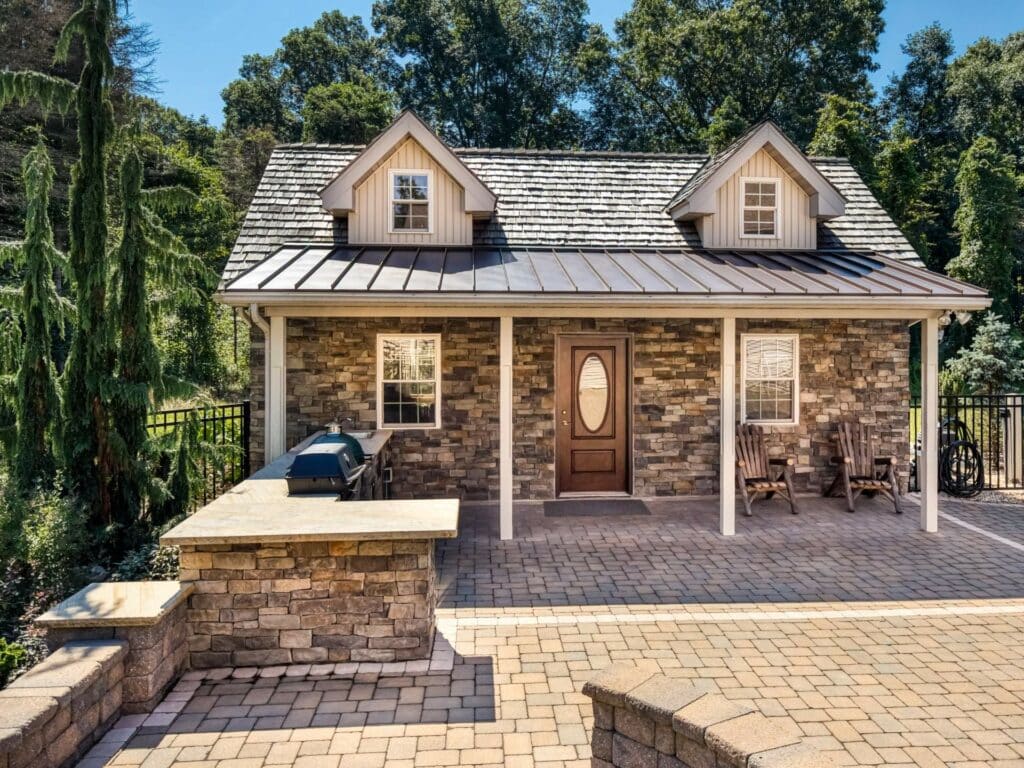
Accessory dwelling units are no longer just for urban settings. ADU design ideas are gaining traction in suburban neighborhoods as zoning evolves and homeowners look for flexibility.
ADUs can serve as:
In-law suites
Guest quarters
Rental units
Private home offices or studios
They’re efficient, versatile, and often more cost-effective than full-scale additions—especially when designed with future use in mind.
Types of Home Additions to Consider in 2026
Not all additions are created equal. The best option depends on your lot, budget, and long-term goals.
Garage Conversion to Living Space
A garage conversion to living space is one of the fastest ways to gain square footage without expanding your footprint. Ideal for:
Home offices
Guest suites
Bonus family rooms
It’s practical, efficient, and often faster than ground-up construction.
Room Additions
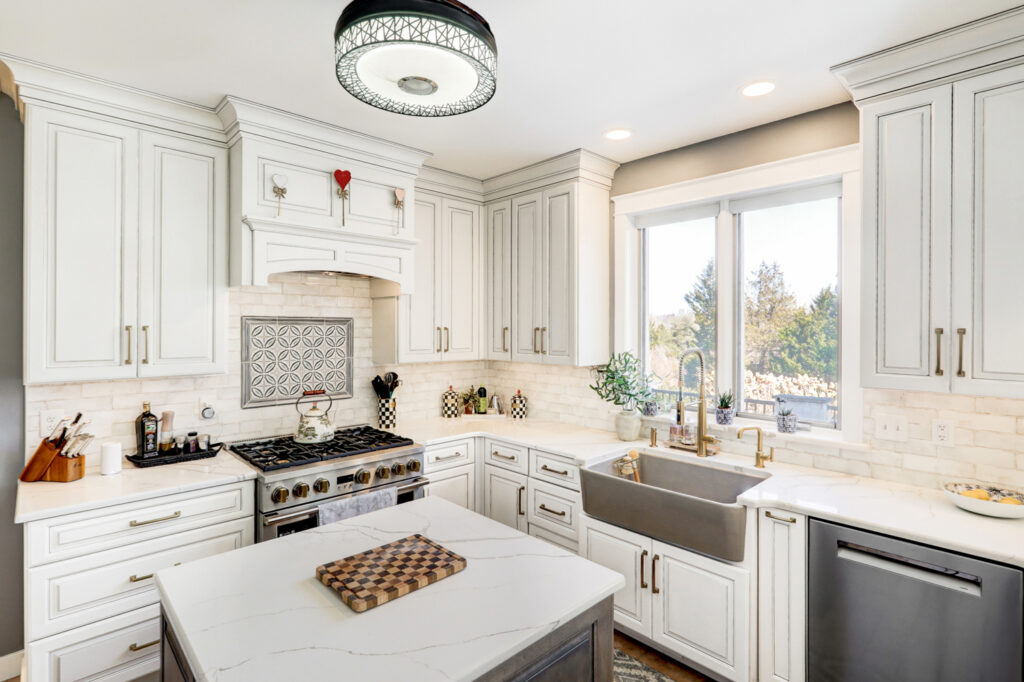
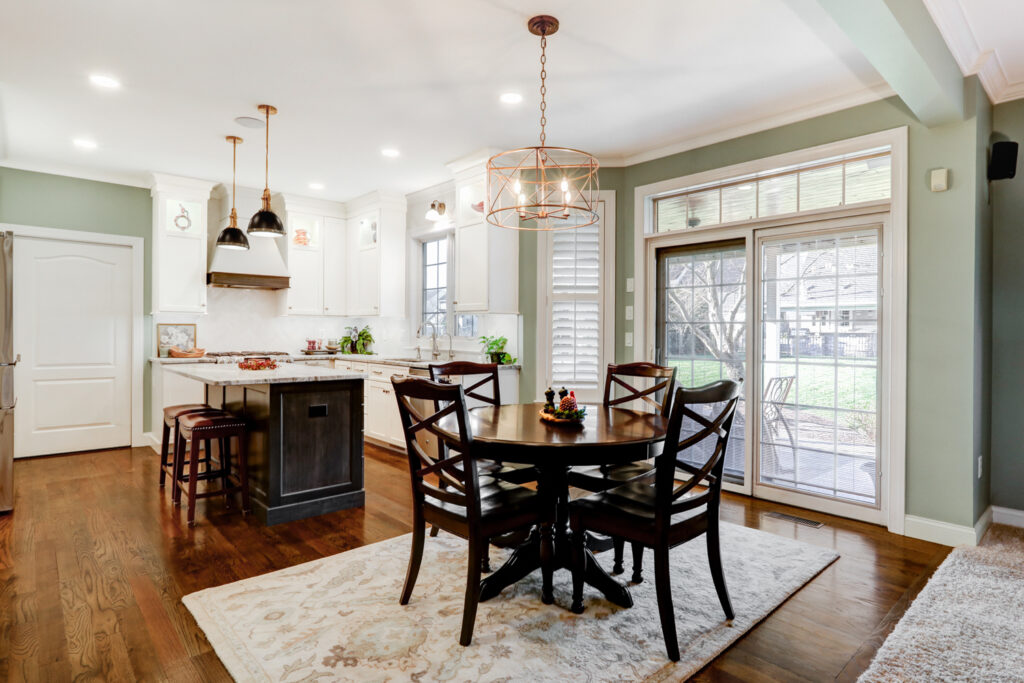
Traditional room additions remain a solid choice for expanding kitchens, family rooms, or bedrooms. These are perfect when you want seamless integration with your existing layout.
In-Law Suites
Purpose-built in-law additions are one of the most requested projects we’re seeing. Done right, they add serious value and future-proof your home.
Bathroom Additions
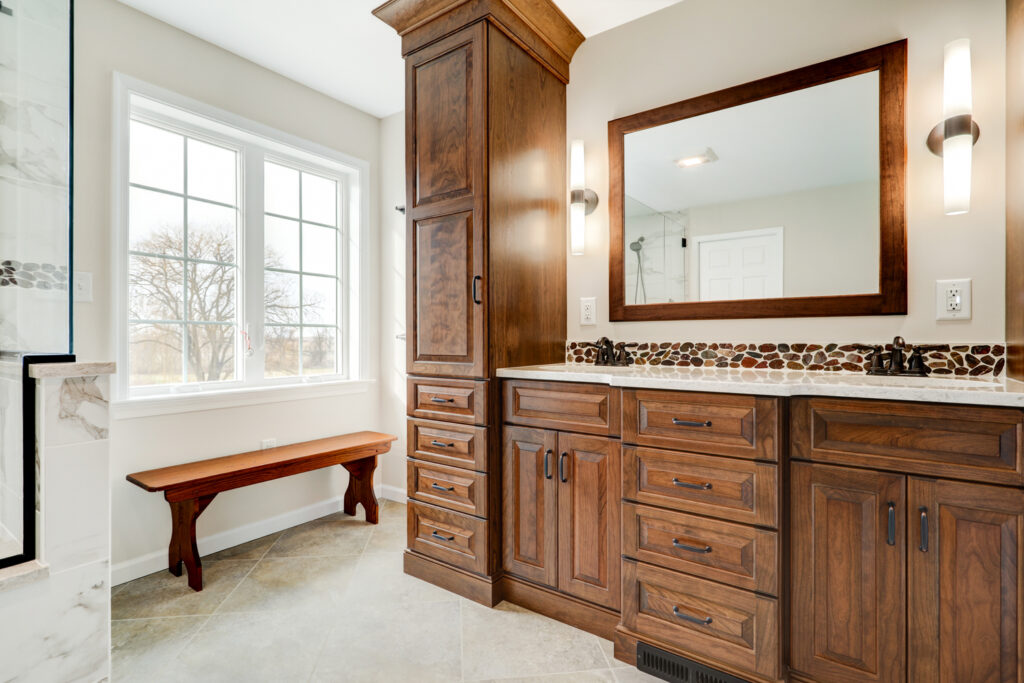
Adding a bathroom—especially a primary or guest bath—dramatically improves daily function and resale appeal.
Second-Story Additions
When lot space is limited, second-story addition ideas make sense. They’re more complex, but they allow homeowners to double down on location without sacrificing yard space.
Home Office Additions Are Here to Stay
Remote and hybrid work didn’t disappear—it matured. That’s why home office addition ideas are still going strong in 2026.
Homeowners want:
Dedicated, sound-controlled workspaces
Natural light and built-in storage
Separation from daily household noise
A well-designed home office addition isn’t a luxury—it’s a productivity tool.
Costs, Timelines, and What to Expect
Let’s be direct: home additions are a significant investment, but they’re one of the smartest ways to build long-term value.
Cost considerations include:
Size and complexity
Structural requirements
Plumbing and electrical needs
Finishes and materials
Timelines typically range from:
5-9 months for smaller additions or conversions
8-14 months for larger or second-story projects
The key is planning. Clear expectations, solid design, and experienced construction make all the difference.
2026 Trends in Materials & Design
While layout leads the way, materials still matter.
We’re seeing a return to:
Durable, low-maintenance finishes
Natural textures and warm tones
Energy-efficient windows and insulation
Designs that blend old and new seamlessly
Timeless craftsmanship paired with modern performance—that’s the sweet spot.
Why a Home Addition Makes Sense Now
The truth is simple: homes should grow with the people who live in them. In 2026, the smartest remodels aren’t about chasing trends—they’re about solving real problems with lasting solutions.
Whether you’re planning for extended family, reclaiming workspace, or preparing your home for the next stage of life, a home addition gives you control, flexibility, and value.
At ALL Renovation & Design, we believe in building for today while respecting what has always worked. Thoughtful design. Solid construction. And spaces that stand the test of time.
If you’re exploring home addition ideas 2026, now is the time to plan wisely—and build with purpose. Connect with our team today using the link below.